
Grass-Fed vs. Grass-Finished Beef: What’s the Difference?
Learn the difference: grass-fed vs. grass-finished beef, how cattle diets affect flavor and nutrition, and what these labels really mean when buying beef from local ranches.
3/9/20262 min read
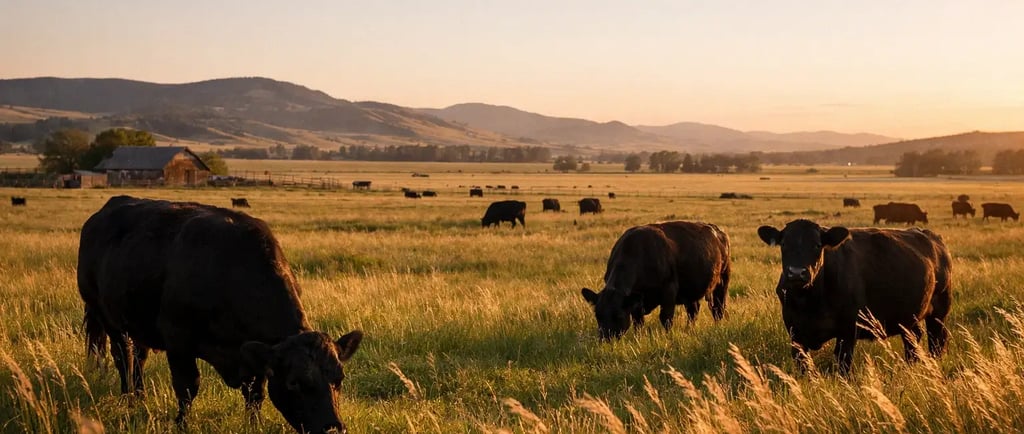
If you’ve ever bought premium beef from a local ranch or farmer’s market, you’ve probably seen the terms grass-fed and grass-finished. While they sound similar, they actually describe two different feeding practices that affect how the animal is raised, how the beef tastes, and its nutritional profile.
Understanding the difference helps you make a more informed decision when buying beef for your family.
Quick Answer: Grass-Fed vs Grass-Finished
Grass-fed beef means the cattle ate grass or forage during part of their lives.
Grass-finished beef means the cattle ate grass or forage for their entire life, including the final months before harvest.
In other words:
Grass-fed = raised on grass at some point
Grass-finished = raised on grass 100% of the time
Many consumers assume these terms mean the same thing, but they don’t.
What Is Grass-Fed Beef?
Grass-fed cattle spend much of their early life grazing on pasture. However, many grass-fed cattle are finished on grain during the final months before processing.
Grain finishing is commonly done to:
Increase marbling (fat within the meat)
Speed up weight gain
Produce a more consistent product
Because of this, grass-fed beef is not always exclusively pasture-raised for its entire life.
Some packages labeled grass-fed may still come from cattle that were grain-finished near the end.
What Is Grass-Finished Beef?
Grass-finished beef comes from cattle that eat only grass and forage from start to finish. These animals typically graze on pasture their entire lives and are never switched to grain during finishing.
Key characteristics of grass-finished beef include:
Cattle raised entirely on pasture
No grain finishing period
Often produced by smaller ranches using rotational grazing practices
This approach tends to emphasize natural grazing behavior and pasture-based nutrition.
Differences in Flavor and Texture
Grass-finished beef often tastes slightly different from grain-finished beef.
Many people describe grass-finished beef as:
Richer and more “beefy”
Slightly leaner
Sometimes firmer in texture
Grain-finished beef often has:
More marbling
A milder flavor
Softer texture
Neither is inherently better — it often comes down to personal preference and how the beef is prepared.
Nutritional Differences
Research has shown that grass-finished beef may contain:
Higher levels of omega-3 fatty acids
Higher levels of conjugated linoleic acid (CLA)
Slightly more vitamin E
Because grass-finished beef is typically leaner, it may also contain less total fat compared to grain-finished beef.
However, both types of beef are excellent sources of:
Protein
Iron
Zinc
B vitamins
Why Many Ranches Choose Grass-Finished
Many independent ranches prefer grass-finished systems because they focus on:
Pasture-based animal care
Sustainable land management
Natural cattle diets
Rotational grazing can help maintain healthy soil, support grass regrowth, and reduce the need for large feedlot systems.
For ranches that prioritize pasture-raised livestock, grass finishing aligns closely with their overall philosophy of land stewardship.
Which One Should You Choose?
Choosing between grass-fed and grass-finished beef depends on what matters most to you.
You might prefer grass-finished beef if you value:
100% pasture-raised cattle
A leaner product
A stronger natural beef flavor
You might prefer grain-finished beef if you value:
More marbling
A milder taste
Very tender texture
Both options can be part of a healthy diet when sourced from responsible producers.
The Bottom Line
The key difference between grass-fed and grass-finished beef is what cattle eat during the final stage of their lives.
Grass-fed: Raised on grass but may be finished on grain
Grass-finished: Raised on grass for their entire lives
Understanding this difference helps consumers make informed choices and better appreciate where their food comes from.
If you’re interested in learning more about pasture-raised beef or how cattle are raised on our ranch, follow our blog for more insights into sustainable ranching and quality beef production.
Address
Wellston, OK
Contacts
(609) 306-0088
Coldspringsranchok@gmail.com